Multi-award winning clinics
 Industry leading doctors
 CQC rated
good

 Clinics in London and Essex
 Top rated
 0% finance
over 12 months
What causes pigmentation?
There are many reasons pigmentation can develop, and some people may experience more than one contributing factor.
Common causes include:
- Sun exposure – UV exposure can stimulate melanin production and contribute to sun spots and an uneven complexion over time.
- Hormonal changes – fluctuations associated with pregnancy, contraception or other hormonal factors can contribute to conditions such as melasma.
- Post-inflammatory hyperpigmentation – darker marks can remain after inflammation or trauma to the skin, including acne.
- Ageing – cumulative sun exposure and changes within the skin can make areas of pigmentation more noticeable as we age.
- Genetics – freckles and certain patterns of pigmentation can also be influenced by your natural skin type and genetics.
Pigmentation treatments at Dr Leah Clinics
Depending on your skin and the type of pigmentation present, your recommended treatment plan may include:
- BBL HERO®: BroadBand Light (BBL) uses targeted light energy and can be used to address visible pigmentation associated with sun damage while improving the appearance of overall skin tone.
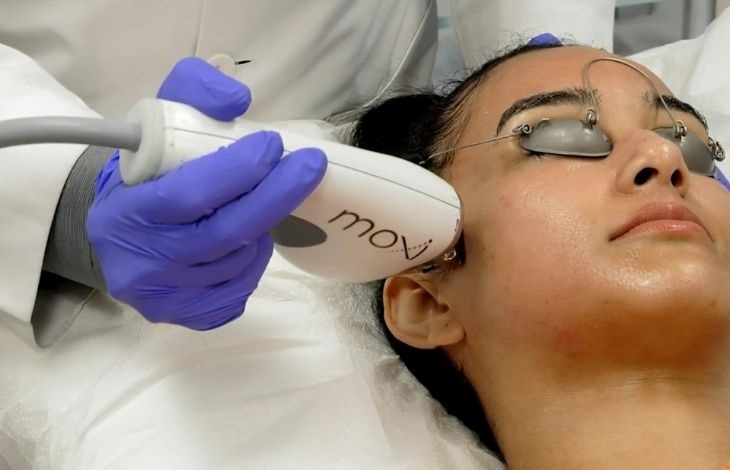
- MOXI Laser Resurfacing: MOXI is a non-ablative fractional laser treatment designed to improve skin quality and uneven tone with relatively low downtime. It can form part of a wider skin rejuvenation plan where pigmentation is a concern.
- Pigmentation Laser: For suitable patients with concerns such as sun spots, freckles and UV-related pigmentation, our pigmentation laser treatment uses IPL technology to target areas of excess pigment. Dr Leah Clinics currently advises this treatment for Fitzpatrick skin types I–III rather than darker skin types.
- Medical-grade skincare: A personalised skincare programme can help manage pigmentation and support a clearer, more even-looking complexion. This can be particularly important for pigmentation concerns such as melasma, where laser may not be appropriate.
- Chemical Peels: Professionally selected chemical peels can help improve skin tone and surface discolouration by encouraging controlled exfoliation and skin renewal.
Your practitioner will advise which option, or combination of treatments, is most appropriate following an assessment of your skin.
Before & After
2 Sessions of Moxi
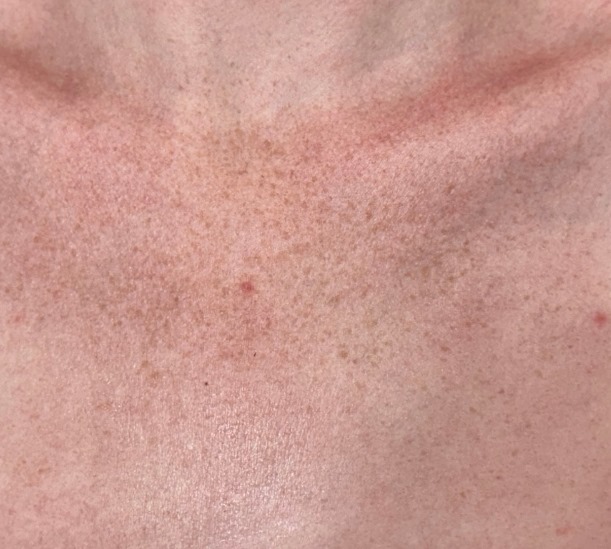
Before
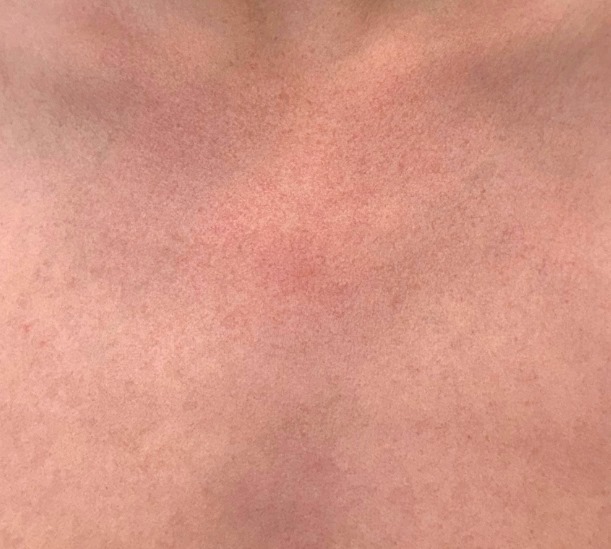
After
After
Why choose Dr Leah Clinics for pigmentation treatment?
Pigmentation can be complex, which is why treatment should begin with an appropriate assessment rather than a one-size-fits-all approach.
Dr Leah Clinics are doctor-led, award-winning cosmetic clinics offering a range of advanced skin treatments and medical-grade skincare across our London and Essex clinics. Our practitioners can assess your skin concerns and create a treatment plan based on your individual pigmentation, skin type and goals.
Frequently Asked Questions
Pigmentation refers to the natural colouring of the skin. Hyperpigmentation occurs when excess melanin causes certain areas to become darker than the surrounding skin, resulting in patches, spots or an uneven skin tone.
Facial pigmentation can have several causes, including sun exposure, hormonal changes, inflammation and skin trauma. It can also become more noticeable with age as the effects of cumulative sun exposure become visible.
Common types include sun spots, age spots, freckles, melasma and post-inflammatory hyperpigmentation. Although they can look similar, their causes differ, which means the most appropriate treatment can also vary.
It isn't always easy to distinguish between different types of pigmentation yourself. For example, melasma and sun damage can both cause areas of facial discolouration but require different treatment approaches. A skin consultation allows your practitioner to assess your pigmentation and recommend an appropriate treatment plan.
The appearance of existing pigmentation can be significantly improved with appropriate treatment, but it is possible for pigmentation to return or for new areas to develop. Sun exposure, hormones and your individual tendency to develop pigmentation can all influence this, making ongoing SPF and appropriate skincare particularly important.
There isn't one pigmentation treatment that's suitable for everyone. The best approach will depend on the type and cause of your pigmentation, your skin type and the area being treated. Following a consultation, your practitioner may recommend options such as BBL, pigmentation laser or a medical-grade skincare programme.
No. Different types of pigmentation respond differently to treatment. In particular, Dr Leah Clinics does not recommend its IPL pigmentation laser for melasma because IPL can potentially worsen melasma.
BBL HERO can be used to target concerns including hyperpigmentation, sun damage, age spots, freckles and uneven skin tone. Your suitability will need to be assessed before treatment, as the appropriate approach depends on your skin and the type of pigmentation being treated.
Yes. UV exposure stimulates melanin production and can make existing pigmentation more noticeable, as well as contributing to the development of new pigmentation. Melasma can also worsen following sun exposure.
Daily sun protection is an important part of managing pigmentation. Using a high-level broad-spectrum SPF can help protect the skin from UV exposure and reduce one of the main triggers for pigmentation developing or becoming more noticeable.
Yes. Inflammation caused by acne can sometimes leave darker marks behind once a blemish has healed. This is known as post-inflammatory hyperpigmentation (PIH). Picking or squeezing spots can also increase inflammation, potentially making these marks more noticeable.
Although facial pigmentation is particularly common, it can also develop on areas frequently exposed to the sun, including the neck, décolletage, hands, forearms and shoulders.
If you're unsure what is causing your pigmentation or which treatment would be most suitable, we recommend starting with a skin consultation. At Dr Leah Clinics, your practitioner can assess your skin, discuss your concerns and advise on an appropriate treatment or skincare plan.