MOXI vs Chemical Peel: Which Is Better for Your Skin?
If you’re looking for a pigmentation treatment that also targets uneven skin tone, texture or sun damage, both MOXI laser resurfacing and chemical peels can be effective options. However, they work in very different ways and the right treatment will depend on your skin, concerns and desired results.
So, when comparing MOXI vs a chemical peel, what’s the difference?
What Is MOXI Laser?
MOXI is a gentle, non-ablative fractional laser designed to improve skin tone, texture and overall skin quality.
Using a 1927 nm wavelength, MOXI creates controlled microscopic treatment zones within the skin, encouraging natural renewal without removing the entire surface layer.
MOXI can be used to address concerns including uneven pigmentation, sun damage, uneven texture and early signs of skin ageing. It can also be used across all Fitzpatrick skin types, subject to an individual skin assessment.
What Is a Chemical Peel?
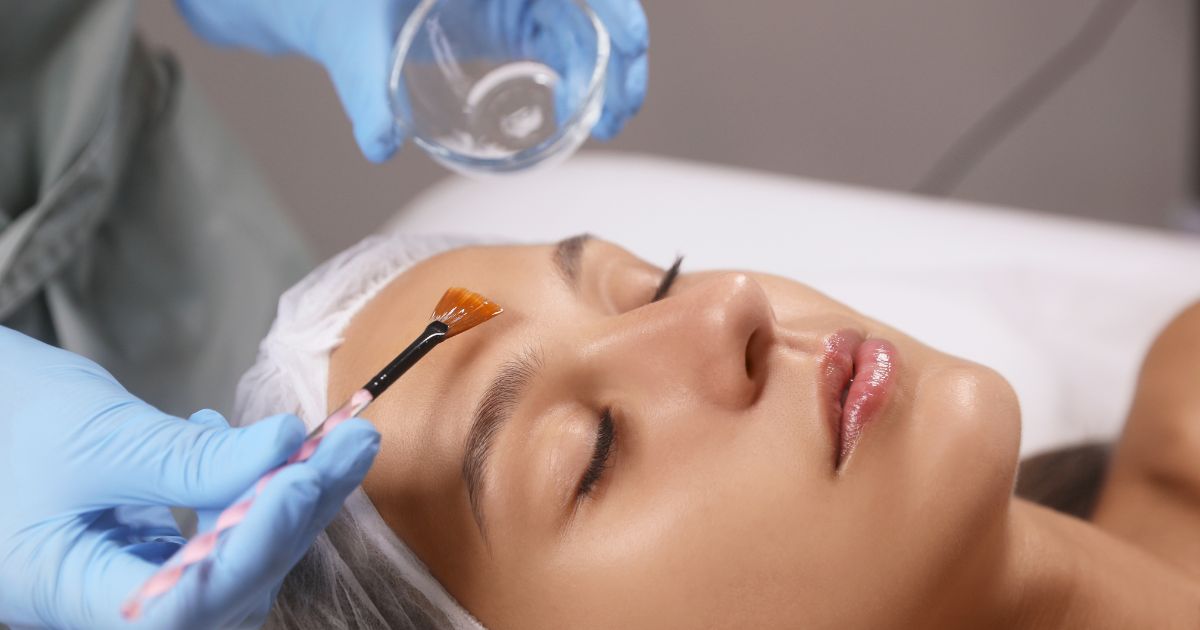
A chemical peel involves applying a carefully selected solution to the skin to encourage exfoliation and skin renewal.
There are many different types and strengths of chemical peel, ranging from superficial treatments with minimal downtime to deeper peels that create a more significant renewal process.
Depending on the peel used, treatment may help improve concerns including dullness, uneven tone, pigmentation, blemishes and rough skin texture.
MOXI vs Chemical Peel: What’s the Difference?
The biggest difference is how the treatments rejuvenate the skin.
MOXI uses fractional laser energy to create controlled treatment zones beneath and within the skin's surface, whereas a chemical peel uses a chemical solution to exfoliate layers of the skin.
Peels are great as a tone, texture and pigmentation treatment, but MOXI allows the practitioner to precisely control the depth and intensity of fractional laser treatment. Chemical peels can instead be selected at different strengths and with different ingredients according to the patient's skin concerns.
MOXI or Chemical Peel for Pigmentation?
Both treatments may be considered for pigmentation, but the best option depends on the type and cause of the pigmentation.
MOXI is particularly suited to improving uneven tone and visible sun damage while simultaneously resurfacing the skin. Certain chemical peels can also be effective for superficial pigmentation treatment and overall brightness.
However, pigmentation treatment can be complex, particularly in conditions such as melasma or post-inflammatory hyperpigmentation. A professional skin assessment is important before deciding on either treatment.
MOXI or Chemical Peel for Skin Texture?
Both treatments can improve skin texture, although they approach it differently.
A chemical peel exfoliates the skin's surface, helping to reveal a smoother, brighter-looking complexion.
MOXI provides fractional resurfacing and may be recommended when the aim is to address texture, tone and overall skin quality within one treatment plan.
Which Is Better: MOXI or a Chemical Peel?
Neither is necessarily better – it depends on your skin.
If you're looking for a professional exfoliating treatment to refresh dull or uneven skin, a chemical peel may be appropriate.
If you're looking for a more advanced fractional laser resurfacing pigmentation treatment that also targets sun damage, uneven tone and texture, MOXI may be recommended.
Your practitioner can assess your skin and advise which approach is most suitable for your individual concerns.
Discover MOXI Laser at Dr Leah Clinics
At Dr Leah Clinics, we offer MOXI laser resurfacing, an advanced treatment designed to improve pigmentation, uneven tone, texture and visible signs of sun damage.
MOXI can be tailored to your skin and treatment goals, making it an excellent option for patients looking to take their skin rejuvenation beyond traditional surface-level treatments.
Wondering whether you should have Moxi or BBL Laser? read this blog to find the answer!